

Our Packaging System and Transportation ManagementImporters
For furniture importers, the real cost of a product is not only its price, but also the damage rate after transportation.
In international trade, furniture products typically go through a long logistics chain:
Factory → Domestic transportation → Port loading → Ocean shipping → Destination port unloading → Local transportation → Warehouse or final customers.
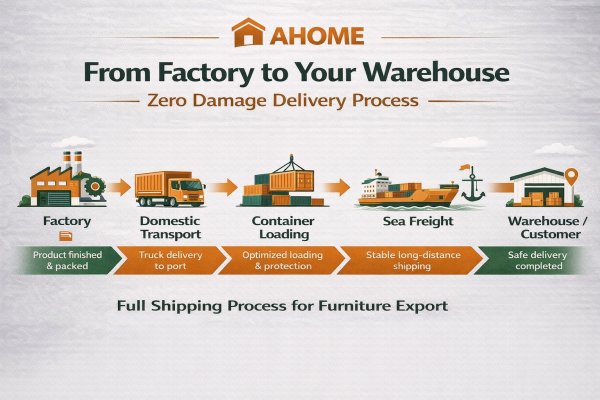
During this process, goods may experience:
· Forklift handling at ports
· Container stacking pressure
· Long-term sea transportation vibration
· Internal cargo shifting inside containers
· Multiple loading and unloading operations
If the packaging system is not designed properly, even high-quality furniture can be damaged during transportation. This can lead to a series of hidden costs such as:
· Return and replacement expenses
· Overseas warehouse handling costs
· Lower ratings on e-commerce platforms
· Damage to brand reputation
· Loss of long-term customer relationships
For companies operating in overseas markets, these hidden costs often far exceed the product price itself.
Therefore, in furniture export, transportation safety and packaging systems are critical to maintaining a stable supply chain.
At AHOME, based on years of furniture export experience, we have developed a systematic packaging and transportation management process. From packaging design and transportation simulation tests to container loading management, every step is standardized to minimize the risk of damage during ocean shipping.
1. Standardized Multi-Layer Protective Packaging Structure
Before shipment, every furniture product is packed according to a standardized process. Our packaging system typically consists of three layers of protection, ensuring stability and safety during long-distance transportation.
This structure protects not only the surface of the product but also enhances overall resistance to impact and pressure.
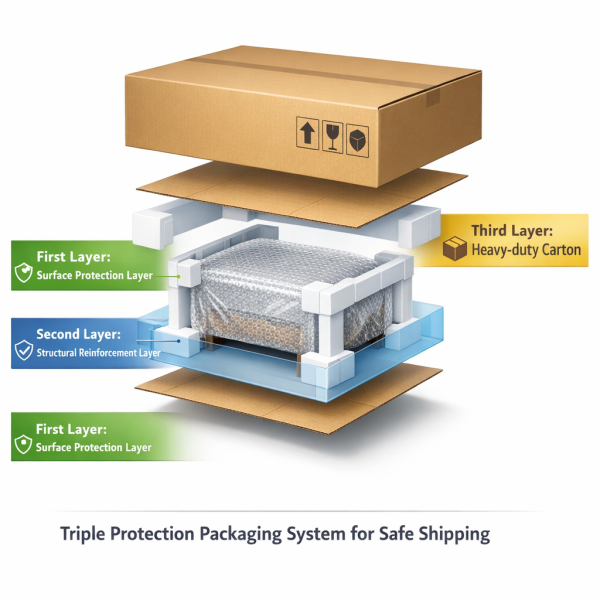
First Layer: Surface Protection Layer
The primary purpose of the first layer is to protect the product surface from scratches, friction, and minor impacts.
During furniture transportation, one of the most common issues is surface damage, such as:
· Scratches on wooden panels
· Damage to painted or coated surfaces
· Marks caused by hardware friction
To prevent these issues, we apply several protection methods
Bubble Wrap or Pearl Cotton
High-density bubble wrap or EPE pearl cotton is used to wrap the entire product, creating a cushioning layer.
These materials provide:
· Effective shock absorption
· Impact resistance
· Protection against transportation vibration
Anti-Scratch Protection Film
For products with delicate finishes, such as:
· Painted furniture
· Glass components
· Metal decorative parts
we apply protective film to prevent scratches caused by friction.
Soft Corner Protection
Furniture corners are the most vulnerable parts during transportation
We add soft corner protectors to areas such as:
· Table corners
· Cabinet edges
· Frame structures
This significantly reduces the risk of impact damage
Through this first layer, we effectively prevent:
· Surface scratches
· Minor collisions
· Hardware friction damage
Second Layer: Structural Reinforcement Layer
Surface protection alone is not enough. Without internal stabilization, products may still move inside the carton during transportation.
Therefore, we add a structural reinforcement layer
The goal of this layer is simple:
Ensure that the product remains fixed inside the carton and cannot move.
Customized Foam Inserts
We design custom foam inserts based on the product’s shape and structure.
Examples include:
· Table leg fixing slots
· Panel embedding structures
· Dedicated hardware compartments
This ensures that the product fits tightly within the packaging space.
Reinforced Corner Structures
Hard corner protectors are added to structural pressure points to enhance impact resistance.
Reinforcement at Critical Load Points
For structurally complex products such as:
· Dining tables
· Sofa frames
· Large storage cabinets
extra reinforcement is applied to key stress points.
This layer ensures:.
· No movement inside the carton
· Reduced internal collisions
· Improved impact resistance
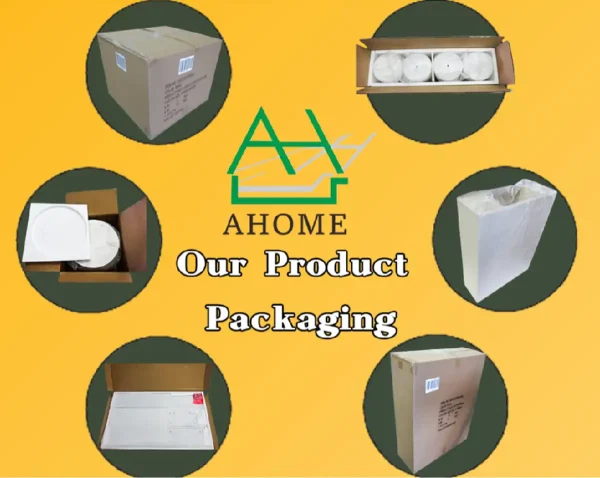
Third Layer: Heavy-Duty Outer Carton Protection
The outer layer is designed to withstand external pressure during transportation
In ocean shipping, cartons are often stacked inside containers, which means the outer packaging must have strong compression resistance.
We typically use:
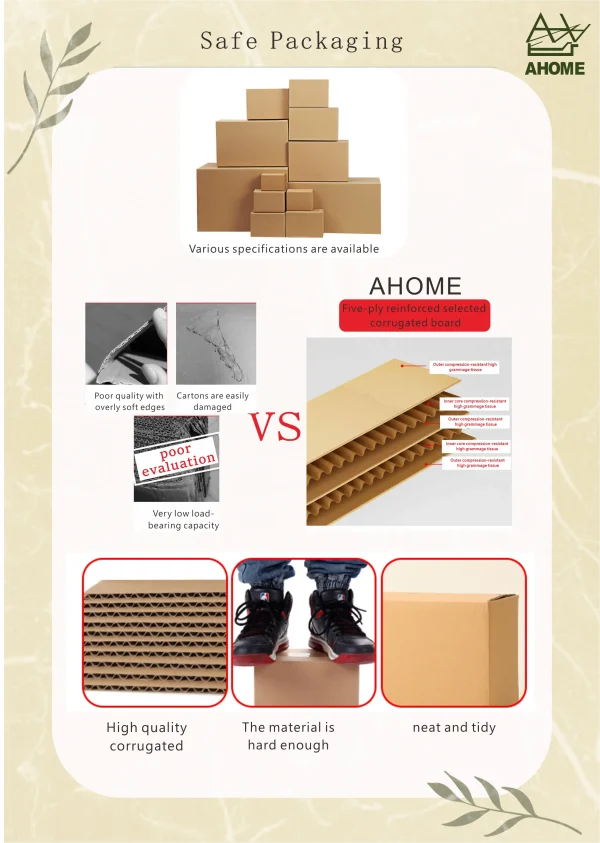
Reinforced Corrugated Cartons
Multi-layer corrugated cartons with higher compression strength.
Structural Carton Design
Carton structures are optimized based on the product weight and dimensions.
Fragile and Handling Labels
Clear labels such as:
· FRAGILE
· HANDLE WITH CARE
· THIS SIDE UP
are placed on cartons to guide logistics operators.
This outer layer helps protect the product against:
· Port handling operations
· Container stacking pressure
· Long-term sea transportation vibration
With these three layers of protection, the safety of furniture during transportation is significantly improved.
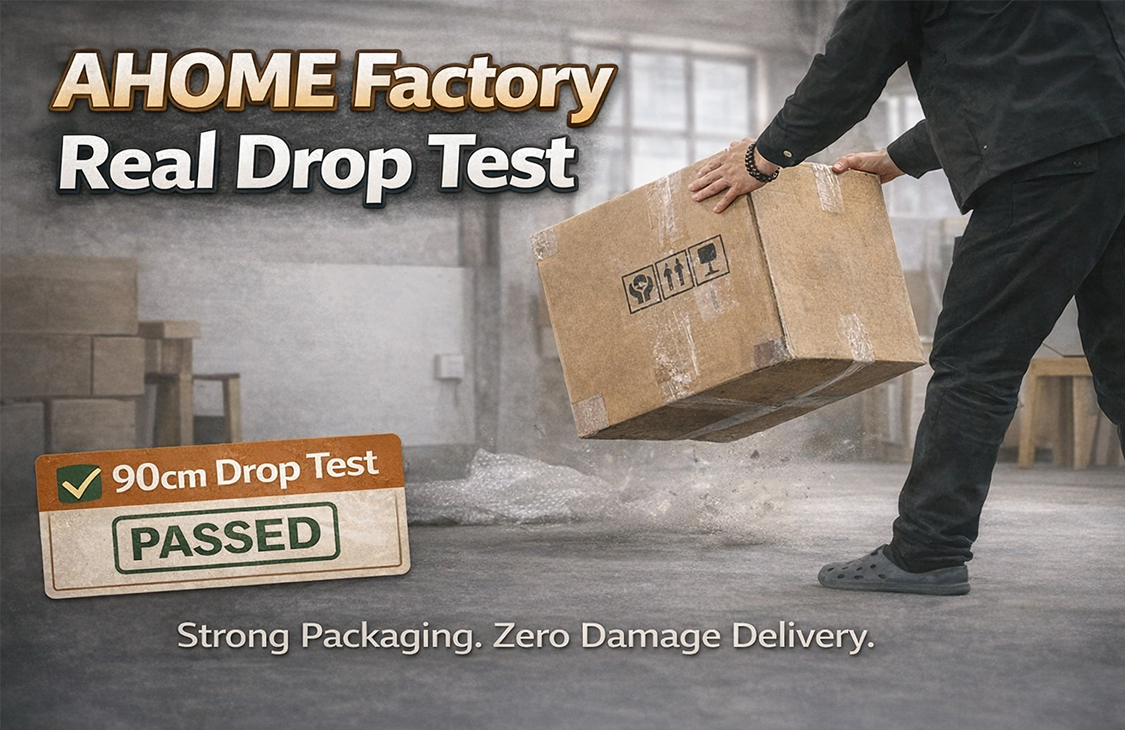
2. Drop Testing: Simulating Real Transportation Risks
To further verify the reliability of our packaging system, we can conduct Drop Tests to simulate real transportation conditions.
These tests help ensure the packaging can withstand impacts that may occur during logistics operations.
Common test types include:
Corner Drop Test
Simulates situations where a carton corner hits the ground first during handling.
Edge Drop Test
Tests the packaging's ability to absorb side impacts.
Flat Drop Test
Simulates situations where the carton falls flat onto the ground
Multi-Directional Drop Tests
Tests packaging stability from different directions.
After testing, we inspect:
· Whether the outer carton is damaged
· Whether foam inserts effectively absorbed the shock
· Whether the product surface is scratched
· Whether the product structure has loosened
Void spaces between cartons are filled with cushioning materials to prevent movement during transportation.
Through continuous testing and optimization, we improve the durability of our packaging system.
3. Container Loading Management
Many cases of furniture damage are not caused by packaging itself but by improper container loading, which can lead to cargo movement during transportation.
Therefore, in addition to packaging design, we also place great importance on container loading management.
During container loading, we follow several key principles.
Proper Container Space Planning
We plan container space based on product dimensions and quantities to maximize efficiency and reduce risk
Heavy Items at the Bottom, Lighter Items on Top
Heavier products are placed at the bottom to prevent excessive pressure on lighter items.
Filling Empty Spaces
Void spaces between cartons are filled with cushioning materials to prevent movement during transportation.
Additional Fixing Measures
For high-value or large furniture items, we may use:
· Reinforcement straps
· Partition boards
These measures help prevent:
· Cargo shifting during long-distance shipping
· Internal collisions between products
· Damage caused by vibration
Our Commitment
With our comprehensive packaging system and transportation management process, we provide a transparent and reliable shipping experience.
We can provide customers with:
· Pre-shipment packaging photos
· Container loading video records
· Remote video inspection if required
· Detailed packaging structure explanations
If reasonable damage occurs due to packaging issues, we will provide:
· Product replacement
· Or reasonable compensation based on the situation.
Conclusion
In furniture export, zero damage is not accidental — it is the result of a well-managed system.
From packaging structure design to transportation testing and container loading management, every detail directly affects transportation safety.
If you are looking for a Chinese furniture manufacturer with mature packaging systems and reliable export experience, feel free to contact us for:
· Packaging specifications
· Real packaging case studies
· Drop test videos
We aim to help our customers reduce logistics risks and build a more stable furniture supply chain.