


In the furniture industry, trade shows are not only platforms for product display but also important opportunities for buyers to evaluate and select suppliers.
Whether it is a major furniture exhibition in China or an international trade fair, hundreds of manufacturers and brands often gather in one venue.
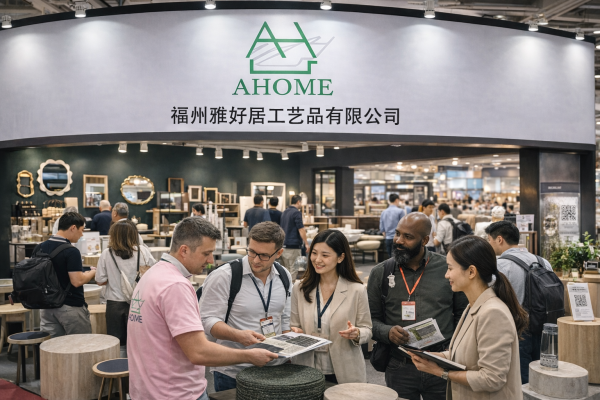
For professional buyers, attending a trade show is not only about discovering new products but also about evaluating potential partners through direct communication and on-site observation.
Many first-time buyers are easily attracted by impressive booth designs, stylish products, or low prices. However, experienced procurement professionals usually evaluate suppliers from multiple deeper perspectives, such as:
· Product craftsmanship and detail quality
· Production capability and supply chain stability
· Export experience and compliance with international standards
· Professional communication and responsiveness
· Transparency of factory information
By assessing suppliers from these angles, buyers can efficiently narrow down hundreds of exhibitors to a few reliable partners worth further cooperation.
Below are several key aspects that can help buyers determine whether a Chinese furniture supplier is trustworthy when visiting trade shows.
1. Don’t Focus Only on Design — Examine Craftsmanship Details
At furniture exhibitions, many products are visually impressive, featuring modern designs, unique shapes, or eye-catching colors. However, design alone does not determine product quality.
What truly determines the reliability of furniture is the craftsmanship and attention to detail.
When visiting a booth, buyers should carefully inspect the product and focus on several important aspects.
Edge and Corner Finishing
The way edges and corners are processed can reveal the manufacturer’s level of workmanship.
For example:
· Are the corners smooth and rounded?
· Is the sanding process even and consistent?
· Are there any sharp edges or rough surfaces?
High-quality furniture typically undergoes multiple rounds of sanding to ensure that edges feel smooth and refined.
This not only improves visual quality but also enhances user safety and comfort.
Paint and Surface Finishing Quality
Paint finishing is one of the most important indicators of furniture quality.
Buyers can examine the surface under lighting and check for:
· Evenness of the paint layer
· Presence of particles or rough texture
· Paint drips or orange peel effect
· Color consistency across surfaces
High-quality paint finishing typically appears smooth, refined, and consistent from different angles.
Veneer Application
For furniture using wood veneer surfaces, buyers should inspect:
· Whether the veneer lies flat
· Whether edges are lifting or separating
· Whether bubbles or wrinkles are present
· Whether grain matching looks natural
Well-applied veneer should appear seamless, with minimal visible joints and natural wood patterns.
Hardware Quality
Although hardware components are relatively small, they have a significant impact on usability and durability.
Buyers can test:
· Drawer slides for smooth movement
· Hinges for stable opening and closing
· Whether hardware fittings are securely installed
Low-quality hardware often leads to problems during long-term use.
Overall Structural Stability
Buyers can gently press or slightly shake the furniture to evaluate stability.
A well-built product usually has:
· A stable structure
· No noticeable wobbling
· Firm connection points
Professional manufacturers usually demonstrate consistent attention to these details, which also reflects their ability to maintain quality consistency in mass production.
2. Ask About Production Capability — Not Just Price
At trade shows, many buyers immediately ask for pricing. However, for long-term cooperation, understanding the supplier’s production capability is far more important than simply comparing prices.
Price is only one factor in cooperation, while production capacity determines whether the supplier can deliver orders reliably.
Buyers may consider asking the following questions.
Factory Scale
For example:
· What is the factory size?
· How many production lines are available?
· What is the monthly production capacity?
These questions help evaluate the scale and manufacturing strength of the company.
Core Production Materials
Different furniture factories often specialize in different materials, such as:
· MDF furniture
· Solid wood furniture
· Metal furniture
· Panel furniture
Understanding the supplier’s core material expertise can reveal their specialization.
For example, factories focusing on MDF furniture often have stronger capabilities in spray finishing and curved surface processing.
Customization Capability
Many furniture projects require some level of customization, such as:
· Size adjustments
· Color variations
· Custom packaging
· Private labeling
Manufacturers that support customization usually have stronger engineering and product development teams.
Internal Quality Control (QC)
Quality control systems are essential for stable production.
Buyers may ask:
· Is there a dedicated QC team?
· Are inspections conducted during production?
· Is there a final inspection before shipment?
Experienced manufacturers should be able to clearly explain their production processes, quality control procedures, and delivery timelines rather than simply providing a quotation.
3. Understand Export Experience and Compliance Capability
Furniture exported to different countries must meet different regulatory standards.
Furniture exported to different countries must meet different regulatory standards.
Buyers may confirm the following.
Export Experience
Buyers can ask:
· Which countries are the main export markets?
· Have they worked with European or North American clients?
· Do they have long-term overseas customers?
Manufacturers with extensive export experience are usually more familiar with international trade procedures
Environmental and Safety Standards
Common standards include:
· E1 formaldehyde emission standard
· CARB P2 certification
· FSC certification
These certifications are often required for entering European and North American markets.
Logistics and Shipping Experience
Buyers may ask whether the supplier:
· Works with reliable freight forwarders
· Is familiar with ocean shipping procedures
· Can provide container loading plans
Suppliers with logistics experience often provide better shipping solutions.
Third-Party Inspection Support
Professional manufacturers usually accept third-party inspections, such as:
· SGS inspection
· BV inspection
· Buyer-appointed inspection companies
This increases transparency and reduces transaction risk.
Suppliers with strong export experience can help buyers minimize:
· Customs clearance risks
· Shipping problems
· Quality disputes
4. Evaluate Professional Communication
During trade show conversations, the supplier’s communication style can reveal their professionalism.
Professional suppliers usually demonstrate the following qualities.
Clear Explanation of Product Structure
They can clearly explain:
· Internal product structure
· Material selection reasons
· Manufacturing processes
Ability to Answer Technical Questions
For example:
· Board density
· Surface finishing methods
· Hardware specifications
Providing Previous Project Experience
Experienced suppliers can often provide:
· Previous client references
· Product case studies
· Export project examples
Clear Information About Lead Time and MOQ
Professional suppliers should provide reasonable details about:
· Production lead time
· Minimum order quantity
Rather than focusing only on offering the lowest price.
Professional communication reflects both technical competence and cooperation attitude.
5. Are Factory Visits Welcome?
Trade shows are only the first step in supplier evaluation.
Reliable suppliers usually encourage buyers to learn more about their operations.
For example, they may:
· Invite buyers to visit the factory
· Provide factory production videos
· Share container loading photos
· Explain their QC procedures
These materials help buyers gain a deeper understanding of the supplier’s capabilities.
If a supplier avoids sharing factory information after the exhibition, it may increase procurement risk.
What Should Buyers Do After the Trade Show?
After the exhibition, buyers should conduct further evaluation of potential suppliers.
Recommended steps include:
Request Sample Testing
Samples allow buyers to evaluate:
· Product quality
· Craftsmanship standards
· Real usage performance
Request Packaging Information
Furniture packaging plays a critical role in preventing shipping damage.
Understanding the supplier’s packaging system can help reduce logistics risks.
Request Shipment Process Information
Buyers may also ask about:
· Production schedules
· Quality inspection procedures
· Container loading processes
Understand After-Sales Policies
Professional suppliers usually provide clear after-sales policies, such as:
· Damage handling procedures
· Replacement or compensation policies
Strong business relationships are built on transparency and structured management.
AHOME’s Trade Show and Factory Transparency Policy
At AHOME, we see trade shows not only as opportunities to display products but also as a starting point for building long-term partnerships.
Therefore, we always welcome buyers to:
· Schedule factory visits
· Arrange remote factory audits via video
· Learn about our full production process
· Review our QC management system
AHOME specializes in MDF furniture and home décor products, serving clients such as:
· European retailers
· E-commerce brands
· Interior project buyers
If you plan to attend furniture trade shows in China or internationally, you are welcome to contact us in advance to arrange:
· Face-to-face meetings at exhibitions
· Factory visits
· Product development discussions
We look forward to building stable, long-term partnerships with clients worldwide.